

Cognitive Intervention Strategies That Improve ADL Follow-Through
Real-world strategies to improve ADL follow-through in adults with cognitive challenges
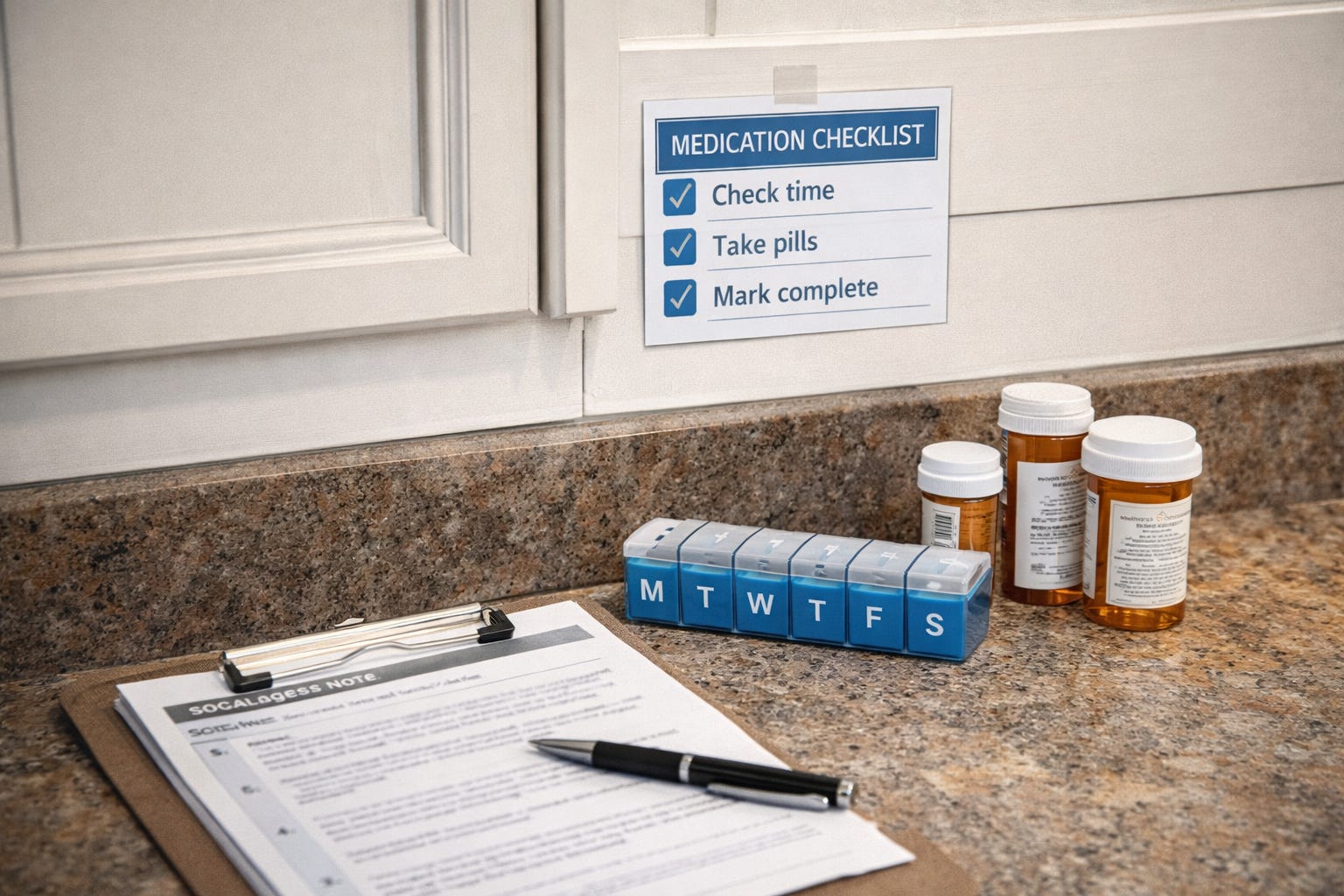
Cognitive breakdown often becomes most noticeable during ADL performance. Sometimes the task never gets started. Sometimes it begins but loses momentum halfway through. Other times it reaches the end but important details are missed. Supplies may be gathered but not used efficiently. Parts of the sequence may be completed while essential steps are skipped. And when something unexpected happens, the routine can quickly unravel. Executive difficulties can shape how a task starts, how it unfolds, and how it finishes.
And that can make effective intervention tricky. Because the physical picture can look strong. Range of motion is within normal limits. Strength is functional. Balance is safe enough for the task. Transfers are steady. From a purely motor standpoint, there may not be an obvious barrier. But the routine still isn’t consistent.
Some days it flows. Other days it stalls. One attempt looks independent. The next looks scattered. The body can do the movements, but the organization behind those movements isn’t reliable. That’s where skilled cognitive intervention makes the difference. Because the limiter isn’t musculoskeletal, but rather executive dysfunction. It’s the planning, the sequencing, the follow-through, the ability to adjust when something shifts. When we identify that layer clearly, our intervention starts strengthening the system that actually drives independence.
This post goes deep into diagnosis-specific strategies that improve ADL follow-through. We will walk through:
Executive dysfunction patterns across common adult diagnoses
Structured intervention strategies tied directly to self-care routines
Step-by-step session design examples
Grading and progression of cognitive supports
Documentation examples
The goal is strengthening internal organization so the patient can complete daily routines independently and safely.
Understanding Follow-Through as an Executive Skill
Follow-through isn’t just about finishing something because you were told to. It’s an executive skill. Cognitive skills is the broader category. That includes things like attention, memory, processing, and understanding. Executive skills sit within that system. They’re the higher-level processes that organize and direct behavior.
So while general cognitive skills help someone understand what needs to be done, executive skills are what help them plan it, start it, adjust it, and carry it through to completion. When we talk about follow-through in ADLs, we’re talking specifically about those executive processes that keep a routine moving from beginning to end.
It requires:
Initiation – getting started without prolonged hesitation
Sustained attention – staying mentally engaged long enough to move through the routine
Working memory – holding the next step in mind while completing the current one
Sequencing – organizing the steps in a logical, efficient order
Error detection – noticing when something is incomplete, out of place, or unsafe
Mental flexibility – adjusting when the task doesn’t unfold exactly as expected
Inhibition – resisting the urge to skip steps, rush ahead, or respond impulsively
Task persistence – continuing until the routine is fully finished
These skills don’t operate in isolation. They’re layered on top of each other.
While pulling up pants, the patient has to remember the next step, resist standing too early, notice if the garment is twisted, adjust if balance shifts, and keep going even if it feels effortful. During grooming, they’re holding the sequence in mind, inhibiting distractions, monitoring accuracy, and correcting small errors before moving on.
When one of these processes weakens, the ADL begins to lose its structure. Sometimes it never really gets off the ground because initiation is delayed. Other times it starts strong but loses steam as attention drifts. The sequence can feel messy or out of order when organization breaks down. Inhibition challenges may lead to rushing or skipping ahead. And even when the task reaches the end, important details can be missed if self-monitoring isn’t consistent.
On the surface, it just looks disorganized. Underneath, a specific executive skill is struggling to hold the routine together. And once you begin to see follow-through as an executive skill rather than just a behavior, your intervention becomes much more precise.
Instead of labeling the patient as “noncompliant” or “distractible,” we analyze which executive mechanism is limiting performance. Follow-through improves when intervention is diagnosis-informed, structured, and graded.
Stroke With Executive Dysfunction
Common ADL Patterns
In patients with a stroke diagnosis, follow-through issues tend to show up in patterns like these:
